*This page contains affiliate links. We may earn a commission if you make a purchase through these links.
Nobody has ever explained why an Eva can only be piloted by a fourteen-year-old. Not in the twenty-six episodes. Not in the 1997 film that redoes the ending. Not across the four films that took another fourteen years to finish. Search the question in English and an answer comes back immediately. Search it in Japanese and the same answer comes back. Follow either one to its source and the source is not there.
I have written six reviews of this franchise for this site, one for every title, and the same thing kept happening while I worked. The questions sorted themselves into two piles: the ones with an answer on the record, and the ones where a confident-sounding explanation has grown over an empty space. This article goes through them one at a time and says which pile each belongs in.
Everything below is either shown in the work, printed in official material, or published by Khara, the studio Hideaki Anno founded. Where the only thing available is a popular theory, I say so, and then say what the theory is missing. Exactly one question needs spoilers, and it is the last section of the article, behind a warning. Everything before it is safe if you have not started. The American streaming situation also changed on September 1, so that section was rebuilt from scratch rather than translated.
🧩 Why Only 14-Year-Olds Can Pilot an Eva
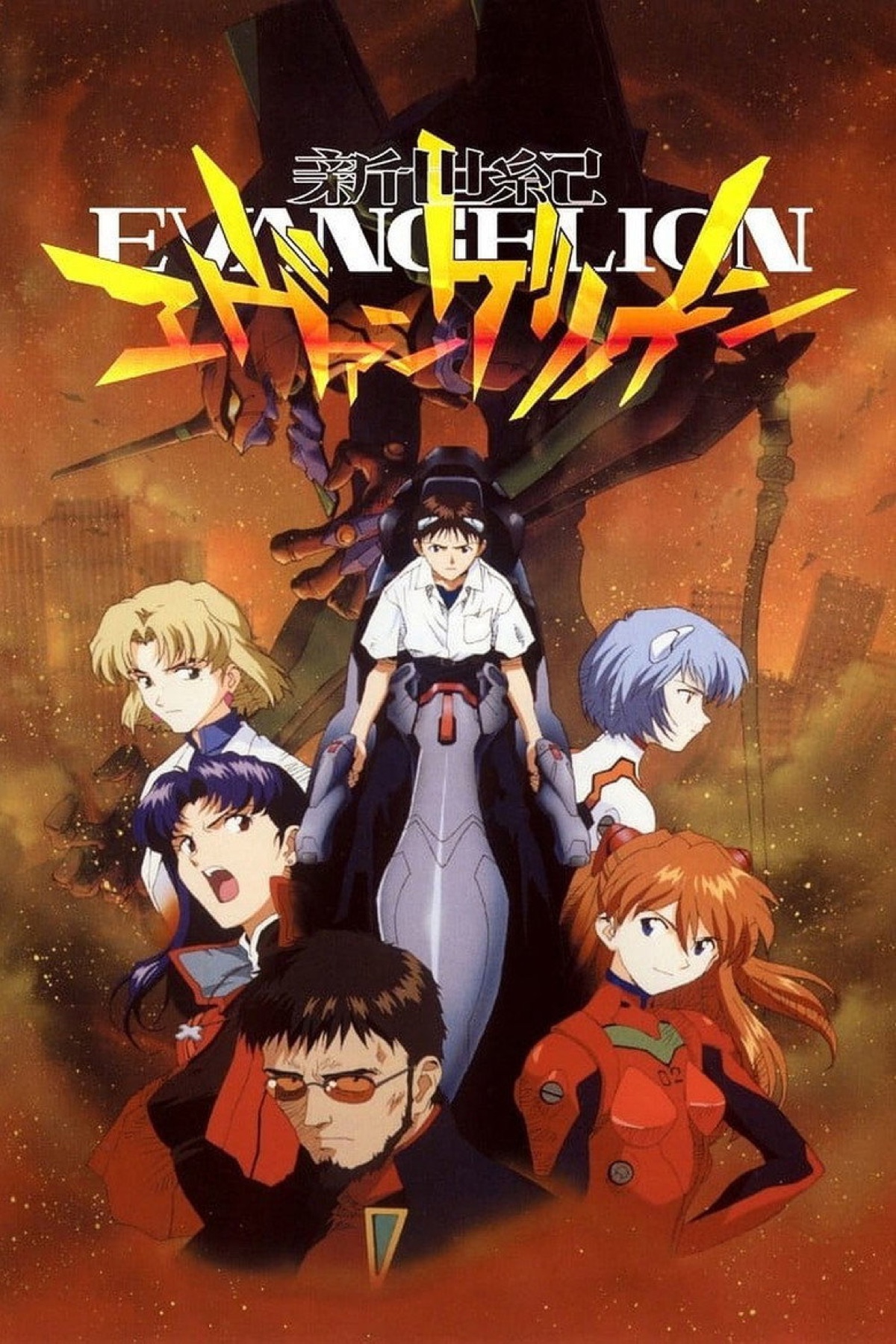
Start with what is not in dispute. The machines respond to a very small number of fourteen-year-olds and to nobody else, and adults are not candidates at all. There is an organisation operating at a global scale for the sole purpose of finding the children who qualify, and how few of them exist is load-bearing for the plot. The series says all of this out loud, repeatedly. None of it is ambiguous.
What the series never says, in a single frame of twenty-six episodes, is why fourteen, and why children.
Where the “born after Second Impact” answer comes from
This is the first result you get, in either language. The world of the series suffered a global catastrophe in the year 2000, only children born after it are compatible with the machines, and that is why the pilots all share a school year. Tidy, causal, satisfying.
The evidence offered for it is that the main pilots’ birthdays all land in 2001. Those birthdays are never spoken in the series. Trace them back and you arrive at supplementary material where the published dates line up with the birthdays of the voice actors who played the roles, with the official Evangelion Chronicle among that material. It reads less as a fact of the fiction than as a number filled in by whoever was assembling the book. Plenty of sites run the theory. I could not find one that cites an official statement behind it.
And accepting the theory whole only removes half the question anyway. If compatibility requires being born after the catastrophe, you get an upper age limit, which is something. You still do not get any reason why being born after it should matter. The explanation moves the gap one step back. It does not close it.
Thirty years, and no official answer
Twenty-six episodes. A 1997 feature that rebuilds the ending from scratch. Four more films made across fourteen years, with every chance to go back and fill this in. The reason never arrives in any of them, and I could not find it in the reference material either. There were a great many opportunities to explain it, and it was never explained.
Whether you read that as carelessness or as a decision will largely determine how you get along with this franchise. Evangelion moves forward without establishing its premises, and the age rule is only its most famous instance. Knowing in advance that the “why” has no answer waiting for you takes most of the discomfort out of watching. I wish somebody had told me that at fifteen instead of letting me assume I had missed an episode.
🩸 An Eva Is Not a Robot, Which Is Why It Bleeds
This one has an answer, and the answer is official. Khara’s own description of the series states that, as the alternate name “artificial human” indicates, what an Eva actually is is nothing mechanical. The series calls it the artificial human Evangelion every single time. It never calls it a robot.
So it bleeds when it is cut, and missing pieces of it can grow back. The casing over the body is not armour either. It is restraint gear, fitted to hold the thing in rather than to keep damage out. If you press play expecting a mecha show, this is the first place you fall over, and most people do.
“A cartoon with giant humanoid weapons in it” is how this gets introduced in English and in Japanese alike, and the distance between that sentence and the object on screen is wide. Watch it as a story about something alive being forced to move rather than a story about hardware, and the friction in the early episodes mostly disappears.
😖 Why the Pilots Feel Pain
Continuous with the last answer. The pilot is not working a set of controls. The connection is neural and the two are synchronised, so damage taken by the machine returns to the child as sensation. An arm is broken and the arm hurts. An eye is destroyed and the eye hurts.
Episode one puts this in front of you directly: the machine takes a hit, and the boy inside it says so. That is the first signal that the show is not going to behave the way the shows it resembles do, and from there the pain accumulates. The more fighting there is, the more damaged the person doing it becomes, which is a large part of why the series gets heavier rather than more exciting as it goes on.
What is not explained is why anyone would design the interface this way. Same as the age rule. The story walks straight past the question.
📖 What “Evangelion” Actually Means
It comes from the Greek εὐαγγέλιον, and it means good news, or gospel. It is also the word behind the Gospels of the New Testament.
The rest of the naming runs on the same fuel. The enemies, the operations, the organisations: Hebrew and Christian scripture, borrowed for vocabulary. The story itself is not about religion. The words share an origin and that is the whole of it, while the content stays fixed on a boy, the adults around him, and a family that does not work. Read the series as theology and you will spend twenty-six episodes hunting for a meaning nobody put there.
Here is the part that is easy to miss from outside Japan. Growing up here, this vocabulary carried no religious charge for me whatsoever. Crosses, angels and Hebrew names read as severe and foreign rather than as sacred, which is precisely what made them available to be used as decoration in the first place. The unease an American viewer might feel at all this was never on the table for the audience it was made for.
Why this particular word was chosen, I could not find on the record from anyone involved. The meaning of the word is certain. The intent behind picking it is not.
🗾 Where Is It Set? Hakone Is a Real Place You Can Visit
Tokyo-3, the city the whole series is fought over, sits on the north shore of Lake Ashi in Hakone, around the Sengokuhara area. Real station names and real place names turn up in the dialogue, so you can follow the geography on an actual map while you watch, and it holds up.
The location is settled enough that the town of Hakone and its tourism association have run official collaborations with the franchise, with tie-ins on the ground going back years. From where I live this is a weekend trip rather than a pilgrimage: Hakone is a hot-spring town an hour and a half from Tokyo by train, and most of the people going there are after the mountains and the lake, with no idea that an anime buried a fortress city underneath them.
Why Hakone was chosen, I could not find stated by anyone who made the decision. The explanation about the caldera terrain matching the story’s machinery circulates widely and reads well. I could not attach it to a first-hand source, so I am not going to hand it to you as a fact.
🌀 Why People Say It Makes No Sense: There Are Two Endings
The reputation has a structural cause, and it is not complicated. Evangelion has two endings.
The final two episodes of the television series drop the outstanding plot questions and turn inward, into the heads of the characters. Most of the story-level questions are still open when it stops. Then in 1997 a feature went back to the same point in the timeline and staged it completely differently. Two endings to one story, and neither of them explains itself to you.
“They ran out of money” does not survive contact with the record
The other thing you see everywhere is that the last two episodes came out that way because the production collapsed. That does not hold up. Yuichiro Oguro, who worked on the series’ video releases and promotional material at the time, has written that the content of the final two episodes was explained to people involved in January 1996. Whatever the finished form owed to circumstance, the decision about what those episodes would be had already been made.
By the same account, Anno spoke to the magazine Animage after the broadcast ended and described the final two episodes in terms of throwing a bucket of water over the audience and telling them to go back to reality. Sending people out of the room satisfied was never the objective.
So the confusion is a design decision rather than an accident. Watch it without knowing that and all you are left with is the feeling of having been cheated. Knowing it changes what the last two episodes are for. Which of the two endings you meet first also changes the shape of the entire thing, which is what the next section is about.
🔥 Why It Became a Phenomenon
Another one the official side answers itself. Khara’s description of the series puts the popularity down to the sheer density of information and a structure in which each mystery produces the next, pulling the audience into supplying answers. The gaps left for viewers to fill turned out to be the engine.
Everything around it was unusual too. Yoshiyuki Sadamoto’s character designs travelled far past anime’s own readership. The magazines that ran the big features were subculture magazines rather than anime magazines. Late-night broadcast and production-committee funding, both completely standard now, were being used here before they were standard. The content on its own does not account for what happened. How it arrived was as strange as what arrived.
If you want a number: the 2021 finale reported ¥10.22 billion at the Japanese box office and finished as the highest-grossing Japanese film of 2021. A series that started in 1995 took the top spot in its home market twenty-six years later, with a sequel. I cannot think of another one that has managed it.
🗺️ What Order to Watch It In
Start with the 1995 television series, all twenty-six episodes. Skip it and everything else is missing its floor.
- Neon Genesis Evangelion, 26 episodes (1995)
- The End of Evangelion (1997), an alternative version of episodes 25 and 26
- The four Rebuild films: 1.11 → 2.22 → 3.33 → 3.0+1.01 (2007 to 2021)
What you can skip
The 1997 material carries more than one title and that is where people get lost. In the United States it comes apart cleanly into two: Evangelion: Death (True)² is a recap of the television series, and The End of Evangelion is the eighty-seven minutes that matter. The Criterion Channel is adding both. If you have watched the twenty-six episodes through, the recap has nothing left to give you, so go straight to The End of Evangelion.
The mess in every online guide comes from the Japanese side, where the 1997 films were packaged, re-packaged and retitled more than once, and where one release went out with its new footage unfinished and had that footage completed later. American readers get the tidier version of this history, for once.
The Rebuild films are not a sequel
Easy to get wrong, and getting it wrong ruins the first film. The four are not a continuation. They open by remaking the early part of the television series and then branch away from it partway through. That is why 1.11 covers roughly the first six episodes and will feel familiar if you have seen them. The 1997 film and the four films are two different routes out of the same junction, not one long line.
One naming note, since it confuses people in both directions. Those decimal numbers in the American titles are Japanese home-video revision numbers that stuck. The Japanese theatrical titles carry no numbers at all: Jo, Ha, Q, Shin. One word each.
📺 Where to Watch Evangelion in the US (September 2026)
This is the section where the Japanese version of this article is no use to you, because the American picture changed twice in three weeks, and changed again on September 1. The 1990s material now has two US subscriptions. The four Rebuild films have none.
| Title | US subscription | Rent / buy |
|---|---|---|
| Neon Genesis Evangelion (26 episodes, 1995) | Netflix / The Criterion Channel | Purchase by season: Amazon Video / Apple TV / Fandango at Home |
| Evangelion: Death (True)² (1997 recap) | Netflix / The Criterion Channel | Purchase on Amazon Video |
| The End of Evangelion (1997) | Netflix / The Criterion Channel | Purchase only. No rental tier |
| Evangelion: 1.11 You Are (Not) Alone | None | Rentable on every major storefront |
| Evangelion: 2.22 You Can (Not) Advance | None | Rentable on every major storefront |
| Evangelion: 3.33 You Can (Not) Redo | None | Not sold digitally at all. The US disc is the only way in |
| Evangelion: 3.0+1.01 Thrice Upon a Time | None | Rentable on every major storefront |
Three services that people expect to see here are absent from all seven rows. Crunchyroll has never held any Evangelion title in the United States. Hulu has never licensed one. Prime Video has carried nothing since August 13. If a guide tells you otherwise, check its date.
As of September 1, 2026: Netflix has had the twenty-six episodes and both 1997 titles since June 2019, and on September 1 the Criterion Channel adds the same three. The second listing is the interesting one, because Criterion is bringing the original English dub, out of print since 2009 and never available on a streaming service until now. Against that, the four Rebuild films have no American subscription whatsoever. They sat behind a single Prime Video subscription internationally from August 13, 2021, that licence was written to run five years, and on August 13, 2026 all four left the service on the same day. Renting is the way in now, with the one hole noted above. None of the seven rows is permanent, and August proved it with no notice given to anybody. Treat the table as a snapshot dated today, and confirm on the service itself.
From Japan the shape is identical and the details are unrecognisable. Five subscription services here carry the television series simultaneously, and the four newer films are rentals here as well, so Japanese viewers lost exactly what American viewers lost, in the same August week. What does not exist here is the dub question. There has never been a lost English track to bring back, so the most interesting thing happening to Evangelion in America this week has no equivalent at all in the country that made it. I found that genuinely odd to write.
👉 If you would rather own the 1990s stretch than rent it, the GKIDS Blu-ray set collects the series and both 1997 films in one box, which is the single purchase that covers everything before 2007.
🧭 Every Title, Reviewed
Neon Genesis Evangelion (TV series, 26 episodes)
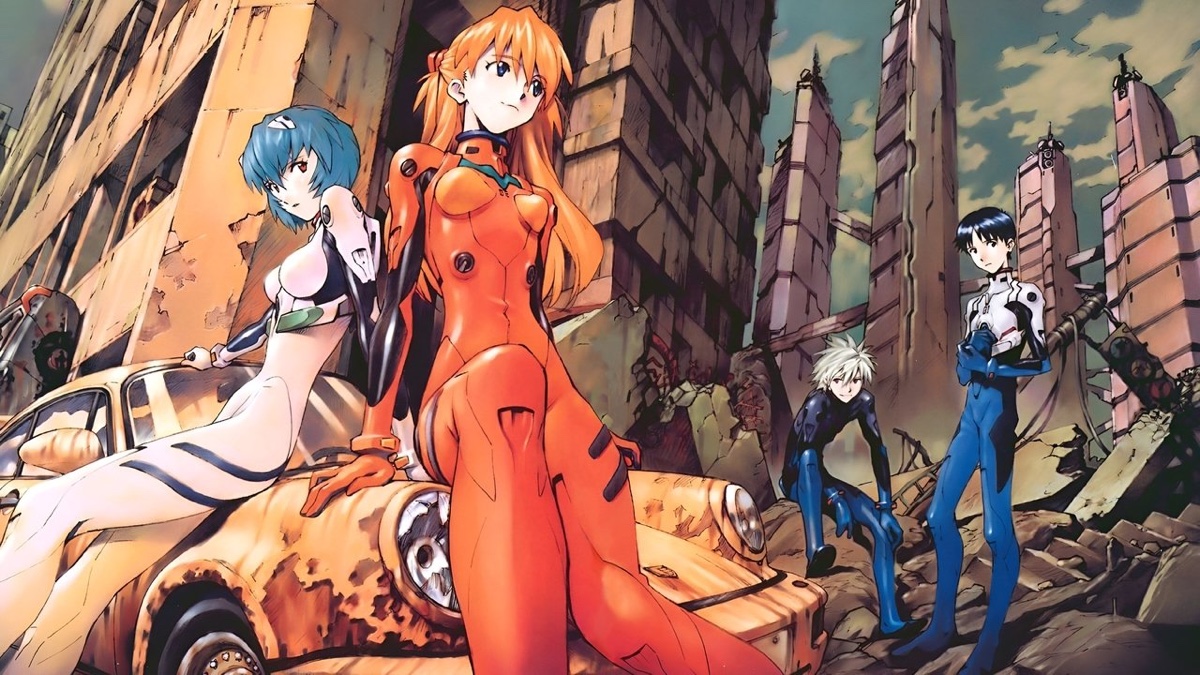
Without this, the other five have no footing. Thirty years on, the pressure coming off the screen has not dropped. The review also covers which dub does what, which matters more here than on any other title in the list.
👉 Neon Genesis Evangelion: Where to Start in 2026, and What the Netflix Version Changes
The End of Evangelion (1997)
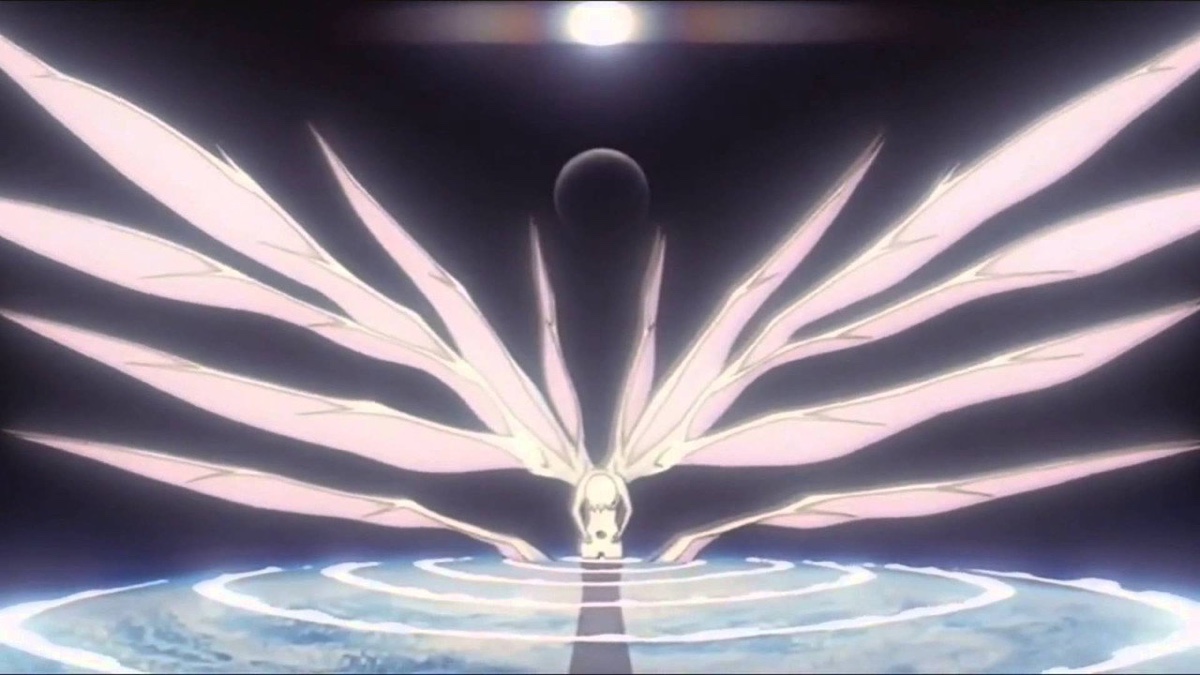
Eighty-seven minutes standing in for episodes 25 and 26. Nothing else in the franchise is this merciless, and the animation in the back half does not belong to 1997. It also declines to hand you an answer on the way out.
👉 The End of Evangelion: On Netflix in the US, and Not the Place to Start
Evangelion: 1.11 You Are (Not) Alone (2007)
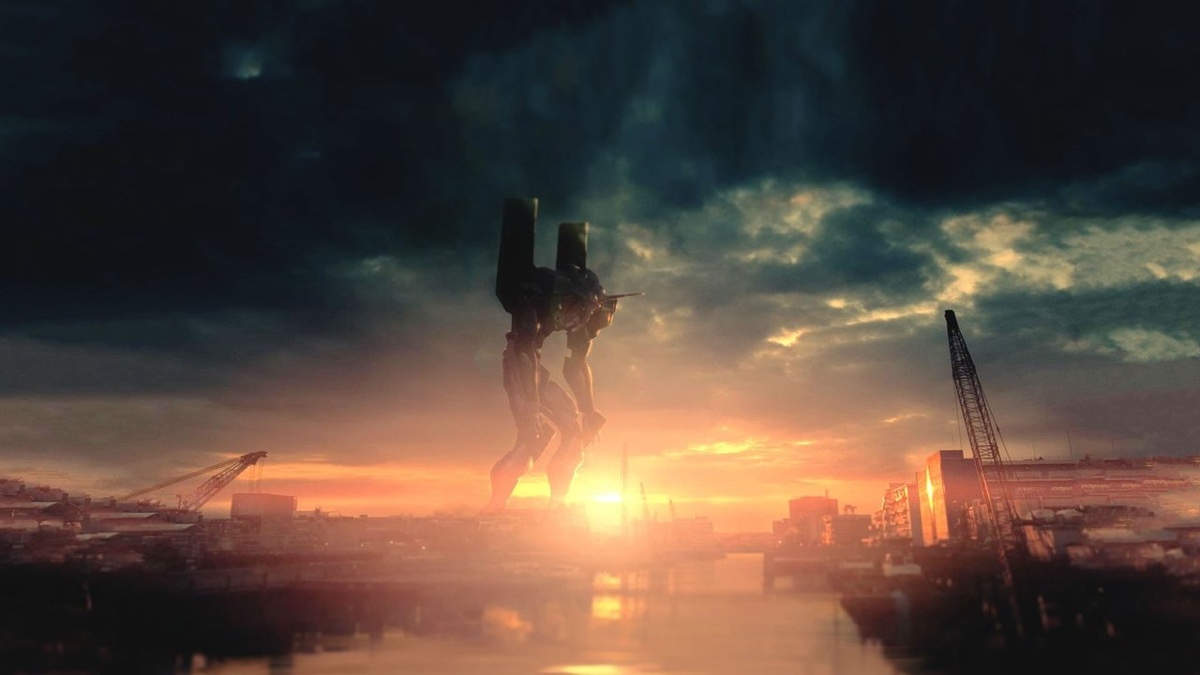
The remake’s opening move, compressing the first six episodes of the series. The familiarity is real, and so is the value of having the whole framework laid out in one sitting instead of six.
👉 Why Live-Action Film Fans Should Watch Evangelion: 1.11 You Are (Not) Alone
Evangelion: 2.22 You Can (Not) Advance (2009)
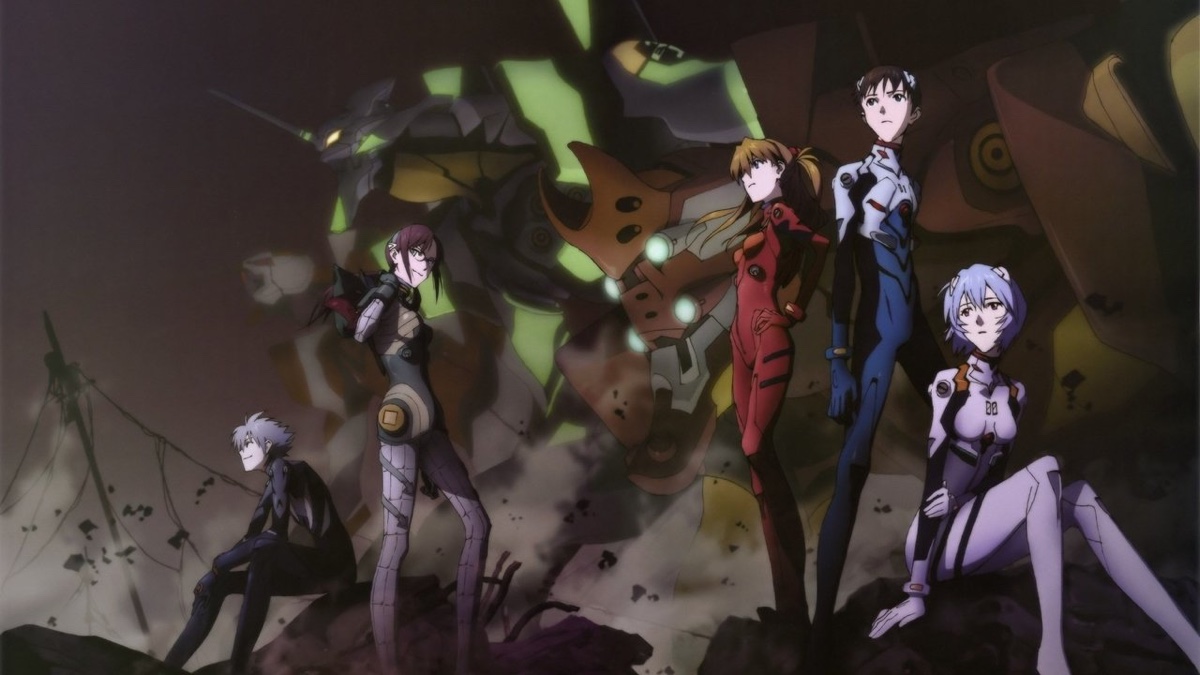
The remaking stops here and the story walks off into territory nobody had seen. This is the point where the whole impression of the franchise turns over.
👉 Evangelion: 2.22 You Can (Not) Advance: Where Saving the World Stops Being the Point
Evangelion: 3.33 You Can (Not) Redo (2012)
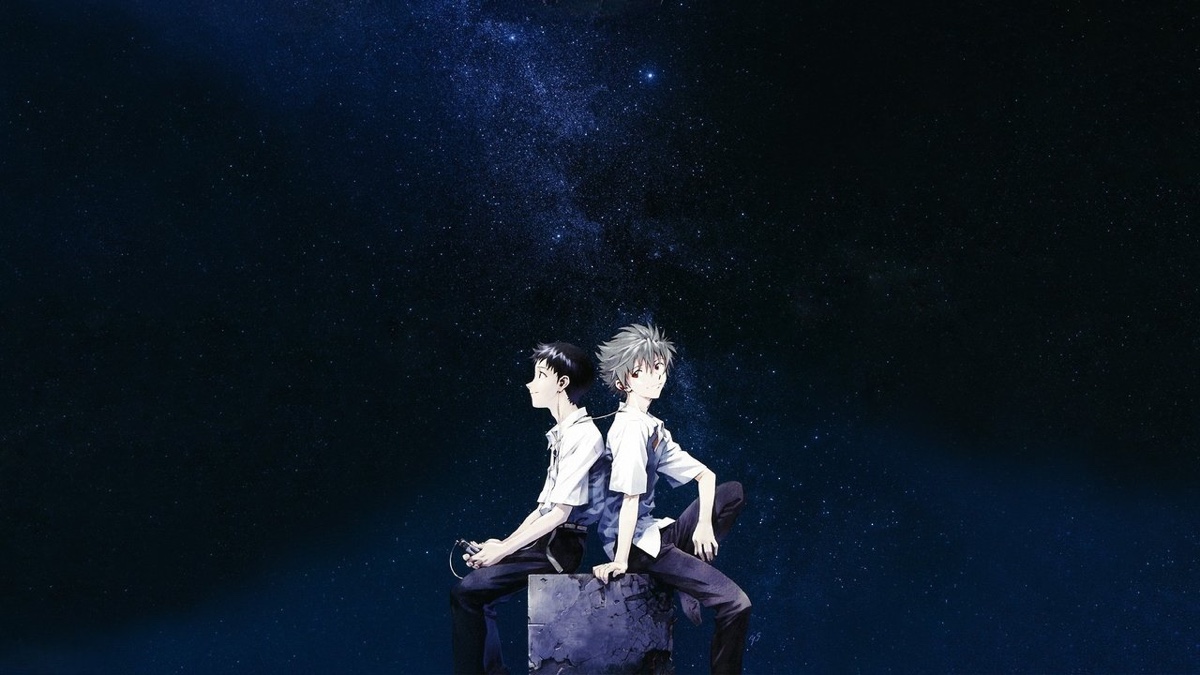
A large jump in time whose gap never gets filled in. Leaving the audience behind is the actual mechanism of the film, which is why it is the one the fanbase splits hardest over. It is also the one American viewers currently cannot stream, rent or download.
👉 Evangelion: 3.33 You Can (Not) Redo: Built to Lose You, and Now Off Prime Video
Evangelion: 3.0+1.01 Thrice Upon a Time (2021)
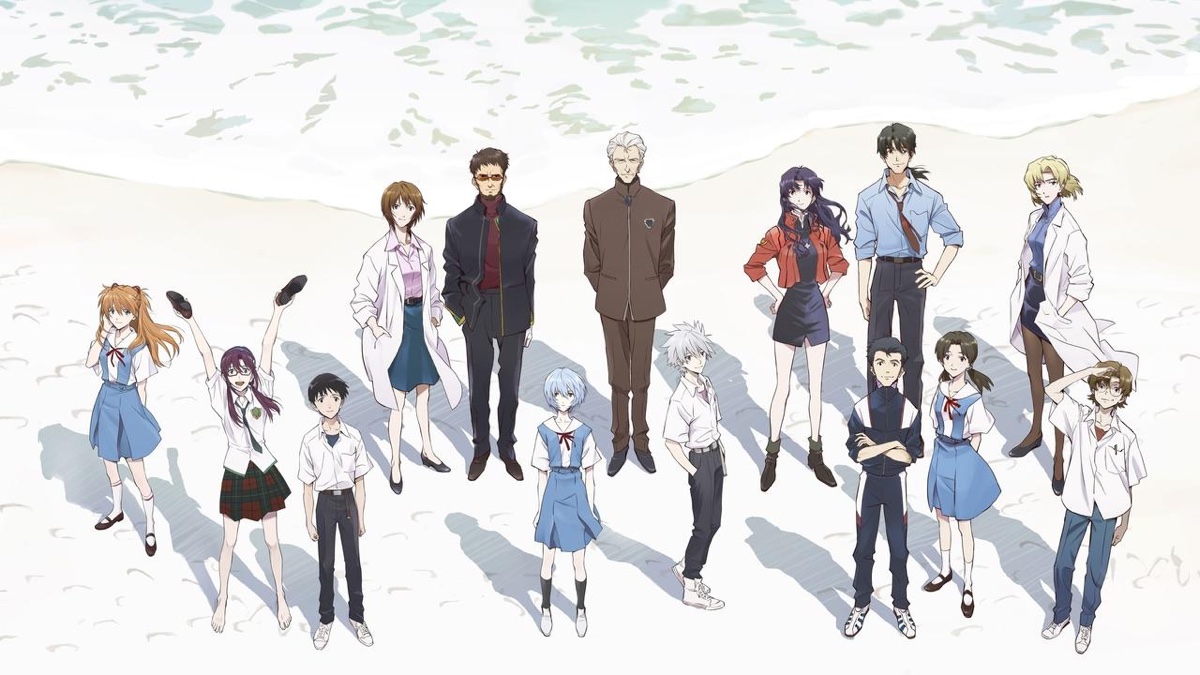
Twenty-six years of accumulated material, folded up. It ends the story with the opposite hand from the 1997 film, and as a reply to anyone who came the whole distance, it works.
👉 Where to Watch Evangelion: 3.0+1.0 Thrice Upon a Time, and Why It Ends Nothing Like 1997
❓ Frequently Asked Questions
How many episodes is it, and how long does the whole thing take?
Twenty-six episodes at roughly 24 minutes each, plus five films. Around 20 hours in total. At two or three episodes an evening that is about three weeks.
Can I just watch the four films and skip the series?
Through 1.11 and 2.22, yes. From 3.33 onward the amount of shared background the film assumes goes up sharply, and without the series you get left behind. Even when time is short, the series comes first. In the US there is also a practical problem: 3.33 is not currently available to stream, rent or buy digitally.
Which English dub should I watch?
Netflix carries the dub it commissioned in 2019. The Criterion Channel listing that goes live on September 1 carries the original English dub instead, which had been out of print since 2009 and has never been on a streaming service before. If you have opinions about the older track, this is the first chance in seventeen years to act on them.
Is one US subscription enough for all of it?
No, and as of September 1, 2026 no combination of subscriptions is either. Netflix and the Criterion Channel each cover the 1990s titles. Nothing covers the four Rebuild films, which have to be rented one at a time, with 3.33 unavailable digitally at any price.
Is there going to be any more of it?
Nothing has been announced. The story was closed in 2021 with Evangelion: 3.0+1.01 Thrice Upon a Time.
⚠️ Spoilers From Here: Why the Angels Attack
Spoiler warning
This section alone touches material revealed late in the television series. If you have not watched it, stop here and go back up to the reviews.
The Angels are not showing up to flatten cities at random. What each of them is heading for is the lowest level of NERV headquarters, and what it intends to do on arrival is merge with the thing kept down there and set off a second catastrophe. What that thing is turns out to be the centre of the whole story.
So they do wreck the city on the way through, but the direction of travel is the same every time, and the people fighting them are always defending the same square of ground. The pattern is a descent toward one point, held off by force, over and over. This gets revealed in pieces late in the series. Before that it is presented as violence with no legible purpose, and the show is content to let you sit in that.
Once you have it, the early battles change meaning in retrospect. The characters do not know what the enemy wants either. The ones who spent twenty-odd episodes not being told were the audience.
⭐ All Six, Scored
My own numbers for each title, gathered in one place. They are here to help you decide what to prioritise, not to rank the titles against each other. Worth saying plainly: skip the one with the lowest number and you lose most of the effect of the one with the highest.
| Title | Year | Usagi’s score |
|---|---|---|
| Neon Genesis Evangelion (TV series) | 1995 | 7.8 |
| The End of Evangelion | 1997 | 7.9 |
| Evangelion: 1.11 You Are (Not) Alone | 2007 | 7.0 |
| Evangelion: 2.22 You Can (Not) Advance | 2009 | 9.0 |
| Evangelion: 3.33 You Can (Not) Redo | 2012 | 8.0 |
| Evangelion: 3.0+1.01 Thrice Upon a Time | 2021 | 8.5 |
📝 Final Thoughts
Not a robot. The pain has a mechanism. The setting is a real town you can reach by train. The title is Greek for good news. The phenomenon has an official explanation attached to it. Those answers all exist. Why fourteen, and why that ending, are blank, and they are going to stay blank.
The awkward part is that searching does not distinguish between the two categories. A sourced answer and somebody’s guess repeated for twenty years come back in the same font, at the same rank, in the same confident tone. If you are going to spend time with this franchise, you will have an easier run holding the empty spaces open than trying to fill them. I spent a week looking for the fourteen answer, and the useful result was not finding it. It was being allowed to stop looking.
Where to begin is still the twenty-six episodes: Neon Genesis Evangelion: Where to Start in 2026. And if this is the corner of Japanese animation you want more of, the same shelf is stocked here: 10 Best Japanese Sci-Fi Anime.

